

How a House Is Framed: Beginner’s Guide to Wood Framing
Learn how houses are framed with wood, from layout and studs to walls, roofs, and sheathing, for strong, durable, and code-compliant construction.
How a House Is Framed: A Beginner’s Guide to Structural Wood Framing
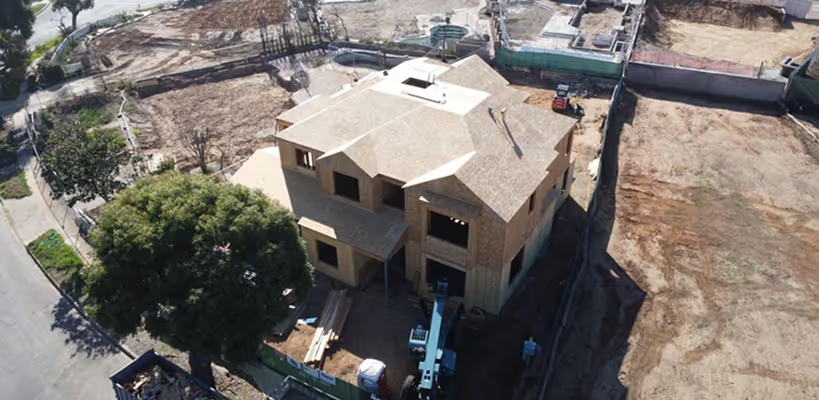
Framing is the backbone of a house. Once drywall covers it, the structure disappears from sight, but its accuracy determines how straight, durable, and stable the home will be for decades. Whether you're building, renovating, or just curious about the process, understanding how framing works gives you a clearer picture of what holds a house together.
What House Framing Actually Means
House framing is the process of building the skeleton of a home. This structure supports the roof, defines the layout of rooms, and transfers weight safely down to the foundation. In residential buildings across the U.S., wood is the standard framing material because it’s strong, economical, flexible, and easy to work with during on-site construction.
Why Wood Is the Standard for Residential Framing
Wood framing offers a balance of practicality, cost efficiency, and structural performance. It can be cut, fastened, adjusted, and assembled quickly. Modern engineered lumber—such as LVLs and I-joists—allows longer spans and stronger support compared to traditional solid lumber, giving architects and builders more flexibility with open floor plans and large window designs.
Planning the Layout Before Building
The framing process starts long before wood is cut. The crew lays out the structure based on plans and measurements, marking where walls meet, where openings belong, and where load paths must align. A precise layout prevents issues later such as crooked corridors, uneven doors, and structural misalignment.
Plating
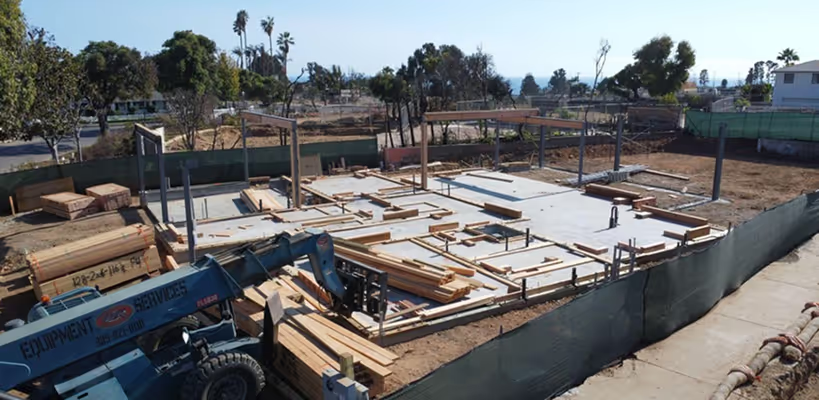
After layout comes the first physical step: cutting and detailing plates. Sill plates are anchored to the foundation, and hold the walls down when placed. Once the entire house is plated and detailed, you can get ready for the actual framing. The preplanning of any build is very important to ensure your construction plans are transferred accurately to the slab.
Framing and Raising Walls
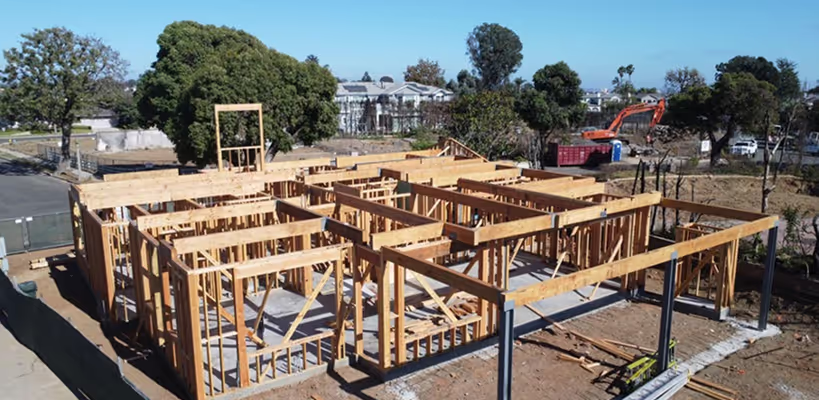
Wall sections are usually assembled flat on the floor before being lifted upright. Each wall includes top and bottom plates with studs spaced at consistent intervals, typically sixteen or twenty-four inches on center. Openings for windows and doors receive headers to carry loads that would otherwise press down into the opening. When a wall section is ready, the crew raises it, aligns it, and braces it temporarily until neighboring walls tie everything together.
Constructing the Roof Structure
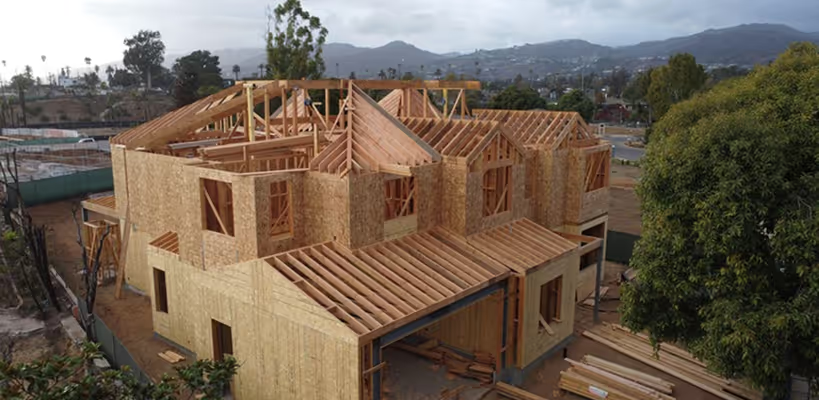
If you have a multi-story building, the floor system is installed, sheathed, and then your next level of framing can begin. After the walls are ready to go, the roof framing begins. Depending on design and engineering, this may involve conventional rafters or pre-built trusses. The roof framework locks the structure together and completes the load path from top to foundation. Once in place, roof sheathing is fastened to prepare for roofing material and weather protection.
Understanding Load-Bearing and Non-Load-Bearing Walls
Not every wall in a home carries structural weight. Load-bearing walls support floors, roofs, or upper stories, while partition walls exist only to divide interior space. Knowing the difference matters—especially in remodeling—because removing or modifying a load-bearing wall requires engineered support.
Building Code and Inspection Requirements
Framing must comply with building codes, which dictate structural standards such as nailing patterns, seismic reinforcement, lumber size, and fastening systems. Before insulation and finishes begin, an inspector verifies that framing meets structural requirements. Passing this inspection ensures the home is structurally sound and safe to continue building.
Why Precision in Framing Matters
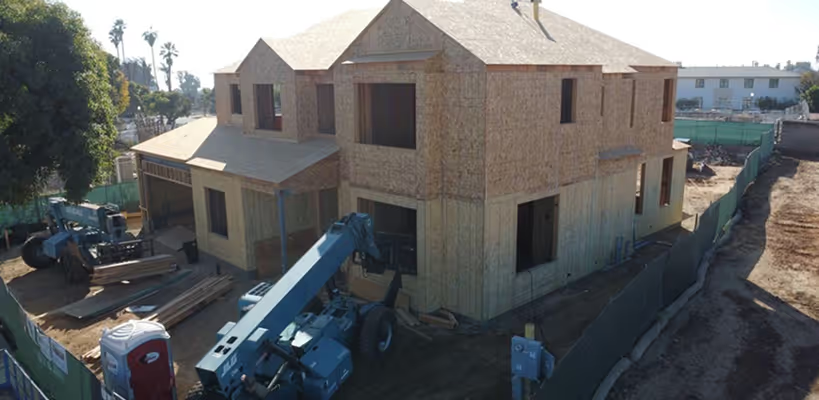
Even small errors at the framing stage can create long-term problems. A wall slightly out of plumb can cause crooked tile lines, misaligned cabinets, or doors that never close smoothly. Clean, consistent framing makes the rest of the construction process smoother, faster, and more accurate.
Final Thoughts
Framing sets the foundation for everything that comes after it. Understanding the process—from layout to roof structure—helps clarify how homes are built and why workmanship matters. Even though framing becomes hidden behind finishes, it remains the core structural system that determines strength, performance, and longevity.
There's More to Know
Let’s Build Something Exceptional Together
Our work sets new standards in construction, where each project is a benchmark of our unwavering integrity and success. Join us as we continue creating innovative structures with established methods that push the boundaries of framing and craftsmanship.